


Many homeowners invest heavily in a high-performance kitchen range hood, only to be disappointed by the results. Smoke still drifts into the living room, and the fan noise is unbearable even on the lowest setting. The problem is rarely the appliance itself. The issue almost always lies hidden behind the walls or above the ceiling.
The science of airflow relies on proper ductwork. Without a clear path, even the most powerful motor cannot function efficiently. This guide explains why ductwork is the critical factor in successful range hood exhaust installation.
The "Smooth vs. Corrugated" Mistake: Why Rigid Metal is Non-Negotiable
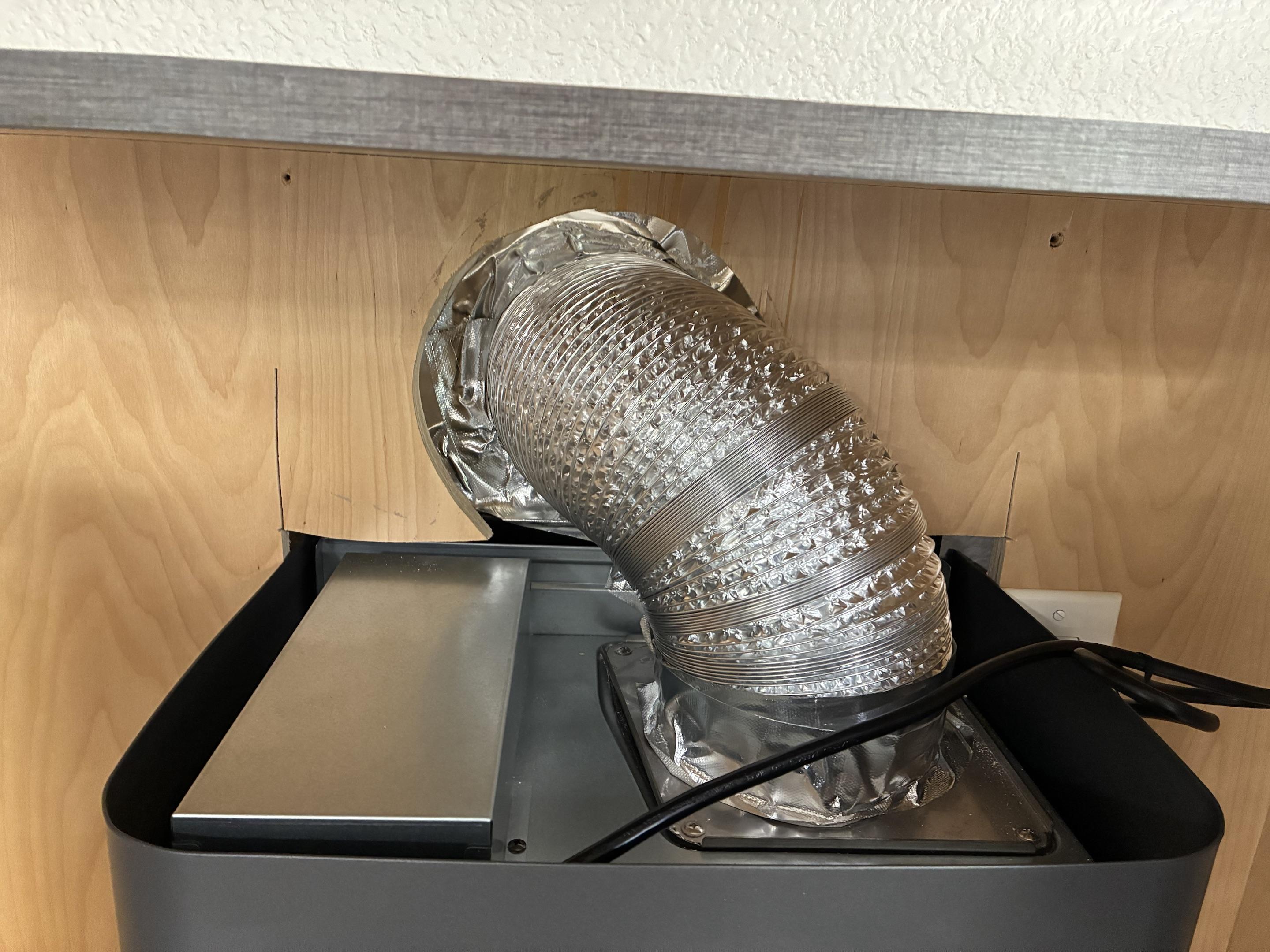
One of the most common errors contractors make is using flexible foil or plastic tubing. This material is easy to install, but it destroys the performance of a stove range hood. Flexible ducting has ridges that create friction. When air moves at high velocity, it hits these ridges and creates turbulence. This turbulence acts like a brake, slowing down the airflow and forcing the motor to work harder.
The Impact on Air Velocity
To maintain high air velocity, you must use rigid galvanized steel or stainless steel ducting. Smooth inner walls allow the air to glide without resistance. This is crucial for evacuating grease and odors quickly. During range hood exhaust installation, insist on rigid metal pipe. This ensures that the high speed of your kitchen vent hood translates into actual ventilation performance rather than just noise. ASHRAE ventilation standards emphasize the importance of proper duct material selection for optimal airflow.
Grease Trap Hazards
Beyond performance, corrugated ridges trap grease. Over time, this buildup becomes a fire hazard and a source of bad odors. Smooth metal ducts are easier to clean and allow grease to reach the exterior exhaust hood vent or filter rather than accumulating in the pipe. NFPA 96 kitchen ventilation code specifically addresses grease accumulation risks in commercial and residential settings.
The Elbow Math: How Every 90-Degree Turn Steals Your Suction Power
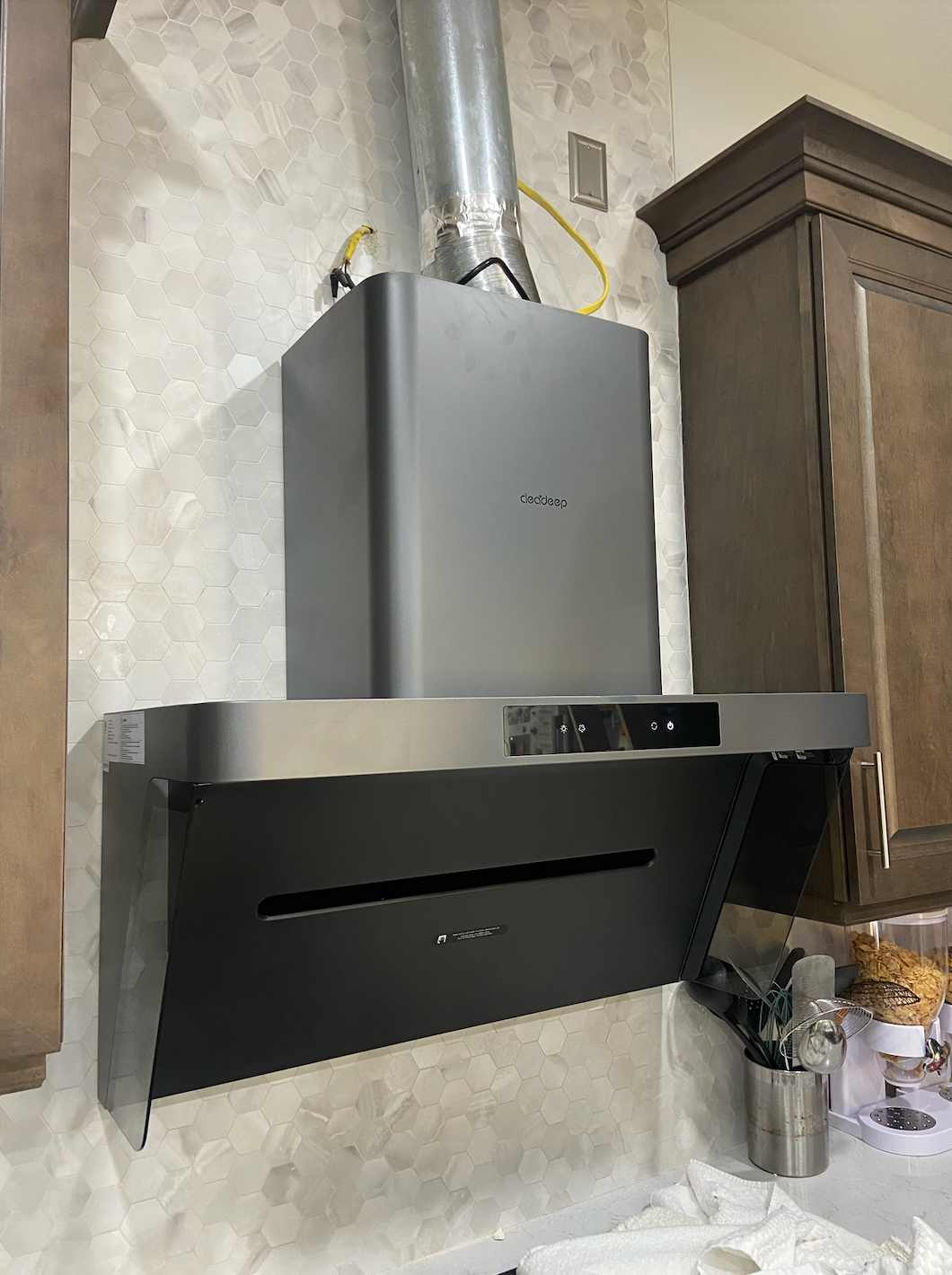
Air travels best in a straight line. Every time you introduce a bend in the ductwork, you increase static pressure. In the world of installing kitchen range hood venting, there is a concept called "equivalent length." A single 90-degree elbow offers as much resistance as 10 to 15 feet of straight pipe. If your installation includes three 90-degree turns, you have effectively added 30 to 45 feet to your duct run.

Planning the Route
When planning the path for your range vent hood, always aim for the shortest and straightest route to the outdoors. If a turn is unavoidable, try to use two 45-degree elbows separated by a section of straight pipe instead of one sharp 90-degree turn. This gradual curve preserves air velocity.
Impact on Motor Life
Excessive turns choke the airflow. This causes back pressure, which puts immense strain on the motor of your range hood for stove. Overheating and premature motor failure are common side effects of poor routing. Proper planning when installing kitchen range hood venting protects your investment.
The "Straight Start" Rule: The Crucial 18 Inches Before the First Bend
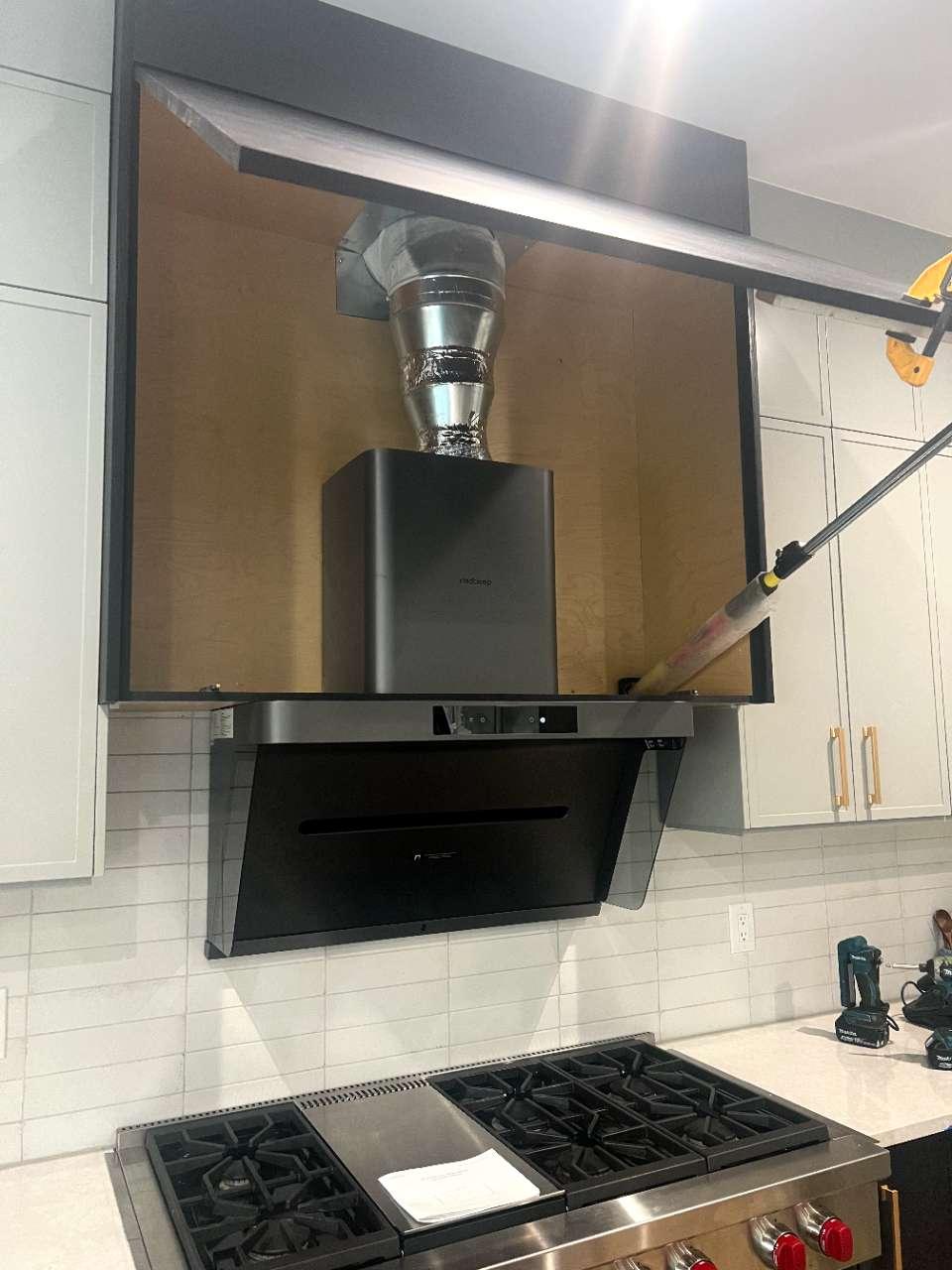
A frequently overlooked rule involves the connection point right above the unit. Air exits the motor of a kitchen range hood in a turbulent swirl. It needs space to straighten out into a laminar flow before it hits any resistance. You should always have at least 18 to 24 inches of straight vertical duct immediately before the first elbow.
Positioning and Height
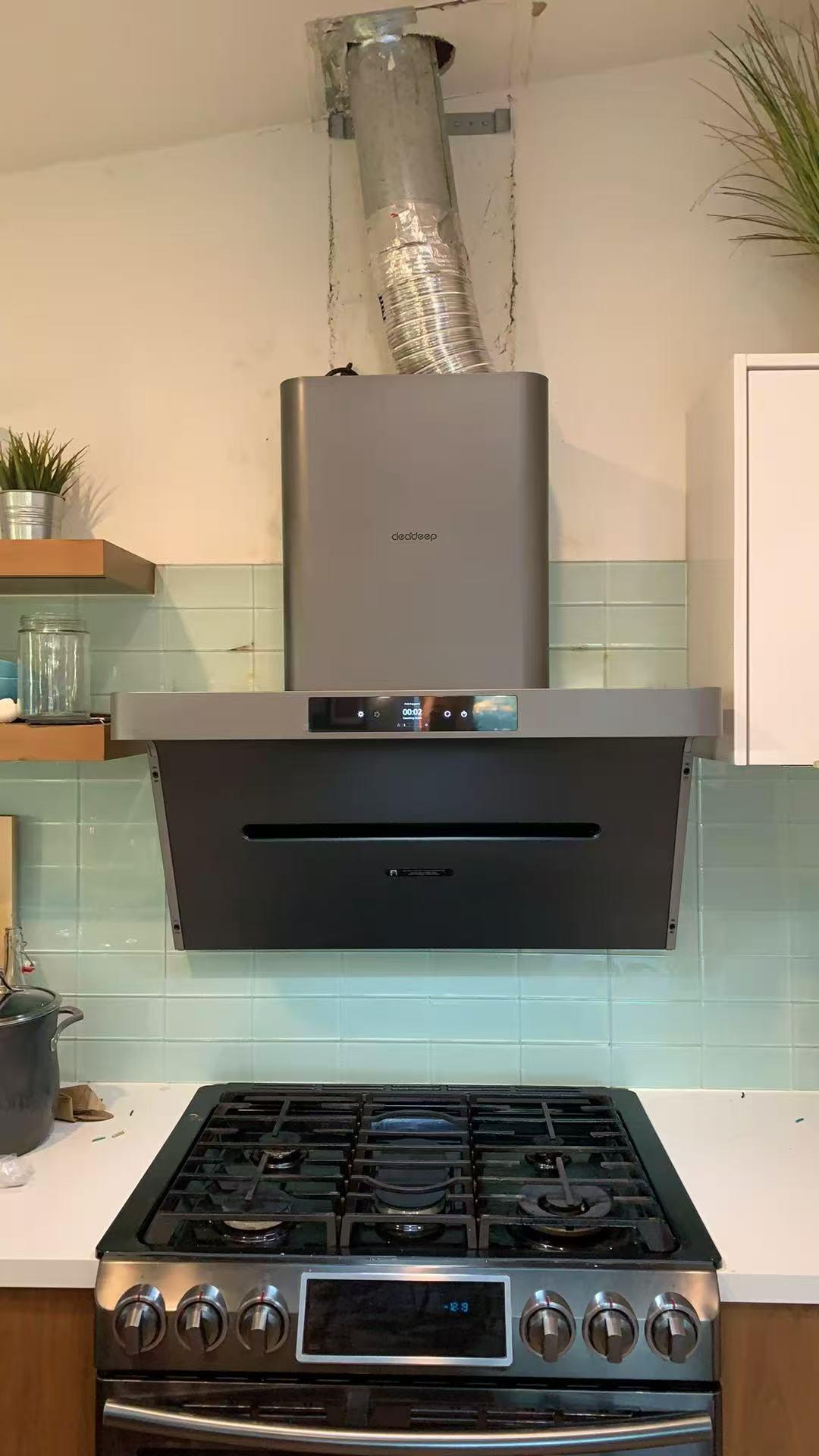
This requirement requires careful calculation of your range hood height above stove. If you mount the hood too high, you lose capture efficiency. If you mount it too low, it feels crowded. Standard guidelines suggest a hood height from stove top between 24 and 30 inches for electric cooktops, and slightly higher for gas. However, you must also look at what is happening inside the cabinet or soffit above.
Balancing Aesthetics and Physics
You need to balance the range hood height above stove with the available ceiling height to accommodate that straight duct run. If the elbow sits directly on top of the hood collar, the air will bounce back down, creating noise and reducing suction. When measuring the hood height from stove top, ensure you have accounted for the internal clearance needed for that critical straight start.
Duct Sizing Mismatch: Why You Should Never Reduce an 8" Outlet to 6"
Manufacturers design the collar size of a stove range hood based on its power. If the unit has an 8-inch outlet, it requires an 8-inch (or larger) duct to move the air volume effectively. A common mistake during range hood exhaust installation is using a reducer to fit the new hood into an existing, smaller wall hole.
Reducing the duct size creates a bottleneck. It is similar to closing a lane on a freeway; traffic backs up immediately. When you force a large volume of air through a smaller opening, the velocity increases excessively, creating a loud "whooshing" noise. More importantly, the motor cannot push the air out fast enough, leading to poor smoke capture.
Always match the duct size to the manufacturer's specifications. If you are upgrading to a professional-style range vent hood, you likely need to upgrade the wall cap and ductwork size as well. Never choke the airflow of a high-performance machine.
The Exterior Wall Cap: More Than Just a Vent Cover
The final component of the system is the exterior exhaust hood cap. This is the point where the air leaves your home. Many installations fail here because they use cheap, flimsy, or restrictive wall caps. A good wall cap must open freely when the fan is on and seal tightly when it is off.
Avoiding Backdrafts
A spring-loaded damper is essential. It prevents cold air from entering your kitchen when the kitchen range hood is not in use. If the damper is too heavy or gets stuck, the hood cannot exhaust air. If it is too loose, it will flap in the wind.
Proper Sizing at the Exit
Just like the ductwork, the exterior exhaust hood cap must not restrict flow. A screened cap that is too fine will clog with lint and grease quickly. Choose a cap designed specifically for high-velocity kitchen exhaust. Ensure it directs air away from the siding to prevent staining. The exterior exhaust hood is the gatekeeper of your ventilation system; ensure it functions correctly. DOE home ventilation guidelines provide comprehensive recommendations for exterior vent cap selection and installation.
Investing in the Ducting, Not Just the Appliance
A powerful motor is useless without a clear path for the air to travel. To get the performance you paid for, you must prioritize the quality of the ductwork. Use rigid materials, minimize turns, and respect the sizing requirements. By paying attention to the details of range hood exhaust installation, you ensure that your kitchen remains smoke-free, quiet, and comfortable. Do not let hidden pipes be the weak link in your high-end kitchen.
FAQ: Addressing Most Common "My Hood is Too Loud" Complaints
Q1: Why should I never use flexible foil ducting for my range hood?
Flexible foil is designed for clothes dryers, not high-speed kitchen ventilation. The ribbed texture creates significant friction, which kills air velocity and causes grease to accumulate. For safe and efficient range hood exhaust installation, only use smooth, rigid metal ducting.
Q2: What is the "Elbow Rule" for range hood installation?
The rule states that you should minimize bends whenever possible. Each 90-degree elbow creates resistance equivalent to 10-15 feet of straight pipe. When installing kitchen range hood venting, calculate the total "equivalent length" to ensure it does not exceed the maximum run recommended by the manufacturer.
Q3: How do I stop cold air or odors from coming back through my hood?
This issue usually stems from a faulty damper. You should have a backdraft damper installed at the hood connection and another one at the exterior exhaust hood cap. Check the exterior cap to ensure it is not stuck open by debris or grease buildup.
Q4: Can I reduce the duct size to fit my existing wall hole?
No. Reducing the duct size restricts airflow and increases noise significantly. It defeats the purpose of buying a high-performance unit. If you are upgrading your unit, you must upgrade the ducting during the installing kitchen range hood venting process to match the new collar size.
Q5: Does the installation height affect the ductwork performance?
Yes. You need vertical space for the air to stabilize. While the recommended range hood height above stove is usually 24-30 inches for capture efficiency, you also need to ensure there is room above the unit for a straight run of ducting. Factoring in the hood height from stove top is crucial for both cooking ergonomics and airflow physics.


